PT-141 side effects
The nausea figures are conspicuous. The blood-pressure warning is consequential for a different reason. Frequency and seriousness need separate consideration.
Nausea in the extension
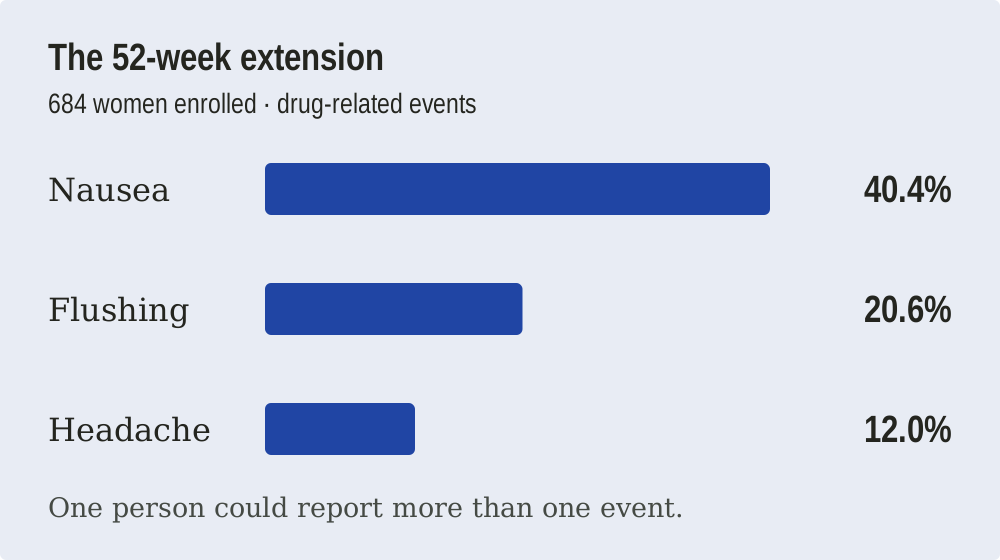
The 52-week RECONNECT extension recorded nausea in 40.4%, flushing in 20.6% and headache in 12.0% as drug-related treatment-emergent events. Nausea was the principal tolerability issue and a major reason for stopping. Vomiting can occur. A pooled analysis across the clinical development program likewise identified nausea, flushing and headache as the most frequent events.
I regard the nausea result as a major qualification to the efficacy discussion. A small average improvement in desire becomes a different proposition when the experience also includes feeling sick. The trial can establish both findings; a personal benefit-risk judgment requires a clinical conversation.
Why does PT-141 cause nausea?
The nausea is consistent with central melanocortin signaling, the same broad pharmacology implicated in the intended effect. The development-program safety analysis includes work on tolerability; timing and dose strategies have been investigated. Turning those research observations into a home adjustment plan would go beyond the evidence this page can offer.
Flushing is a temporary warm, reddened feeling. The label and trial record also document injection-site reactions and nasal congestion. The early safety study involving coadministration with ethanol examined tolerability and cardiovascular effects in healthy participants. It provides study context, rather than a reason to assume combinations are harmless.
Blood-pressure precautions
Bremelanotide can briefly raise blood pressure while lowering heart rate. Ambulatory blood-pressure monitoring was used to characterise this effect. The prescribing information contraindicates use with uncontrolled hypertension or known cardiovascular disease.
I put that warning ahead of the question of how common a symptom feels. A temporary pressure change can matter greatly in the population the label excludes. A lack of obvious discomfort cannot establish that blood pressure stayed unchanged.
Skin, gums and pigment
Repeated, frequent exposure can cause hyperpigmentation, including darkening of the face, gums or breasts and changes in freckles or moles. MC1R is the pigment-related melanocortin receptor implicated here. The changes may not fully reverse after stopping and are more likely with darker baseline skin.
The tanning-research ancestry makes this side effect less surprising to me. It also makes an overly neat description of PT-141 as a desire-only signal difficult to defend. The receptor family has other jobs.
Liver, appetite and untested populations
LiverTox records mild liver-enzyme elevations and rare clinically apparent liver injury. High-frequency Phase 1 research in obese premenopausal women also found reduced caloric intake and body weight, consistent with MC4R's appetite role. Weight loss remains outside the approved indication.
Controlled human data do not establish safety in pregnancy or breastfeeding in this record. This is an evidence gap, with a theoretical caution about a developing baby or nursing infant. Reassurance would outrun the evidence available for those populations.
PT-141 reviews
Flushing, nausea, tingling, tiredness and pigment changes recur in community stories. These are anecdotal accounts, not clinical evidence; no frequency estimate can be recovered from them. Some people describe no wanted change despite unwanted effects. The reports ledger gives those accounts their own space, alongside the limitations of unregulated supply.